
Mock Trial: Brown v the Board
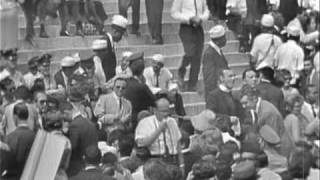
Background: Education of Topeka, 347 U.S. 483 (1954), was a landmark United States Supreme Court case in which the Court declared state laws establishing separate public schools for black and white students to be unconstitutional.
[This case is a conglomerate case, from 4 varying cases]
Plaintive: Black schools had fewer supplies, teachers, and harder access. The 14th Amendment reminds us that separate is not equal. The constitution is blind to class, race, and age, so should be the court and government views. Separate but equal does not work here, as the black students are not at all being provided an equal chance at education, appealing to the down turn of the 13th amendment. Children are required to go to school, yet they are not provided the same education. We should do as we say, and provide the highest quality schooling we can for all the nation. Thurgood Marshal himself, a black man of high education and supreme court power, had faced a high amount of racism due to segregation, and was only about to make it where he did do to being provided a chance.
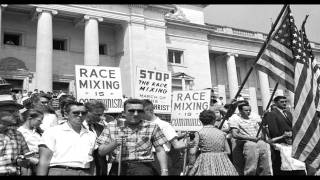
Defendant: Mass emotional suffering could occur with both African American children and white children, as everyone would be uncomfortable and there would be much more emotional damage than there would be with the upkeep of segregated schools. It would not make one more inferior than the other. The black and white schools were also constitutional under the Plessy doctrine of 1896, allowing states to sponsor segregation, and the 13th and 14th amendment were not violated. There's also the legal statement off of the Plessy case that the separate but equal clause could be instituted here, as both school's students would have equal opportunity in schools. Even the bible has passages furthering the support of separation of races. The mixing of all things is seen as immoral within the Bible.
Court ruled in favor of the plaintive.






Comments